Save Fuel 3 Tyre Tips That Work
Fuel prices aren’t getting any cheaper, and while most drivers look at engine efficiency or driving habits, one of the biggest factors is often overlooked — your tyres.
09 Apr 2026
How to Save Fuel During the Fuel Crisis: 3 Tyre Tips That Actually Work
Fuel prices aren’t getting any cheaper, and
while most drivers look at engine efficiency or driving habits, one of the
biggest factors is often overlooked — your tyres.
Your tyres are the only point of contact
between your vehicle and the road, and small changes in how you maintain or
choose them can make a noticeable difference to fuel consumption.
The easiest way to save fuel right now is by maintaining your tyres. Keeping tyres properly inflated, choosing low rolling resistance tyres, and ensuring correct alignment can reduce fuel consumption by up to 10% without changing your driving habits.
Why Tyres Play a Bigger Role in Fuel Economy Than You Think
Tyres influence something called rolling
resistance — the effort required to keep your car moving. The higher the
resistance, the more fuel your engine burns.
Poor tyre maintenance or the wrong tyre choice can quietly increase your fuel costs every time you drive.
1. Keep Your Tyres Properly Inflated
This is the simplest and most effective way to
improve fuel economy.
Underinflated tyres create more drag, forcing
your engine to work harder and use more fuel. Even slightly low pressure can
increase fuel consumption by 2–5%.
What to do:
- Check
tyre pressures monthly
- Follow
the vehicle manufacturer’s recommended PSI (not the tyre sidewall)
- Adjust
pressure when carrying loads or towing
Real-world tip:
For highway driving, running tyres at the higher end of the recommended range
can improve efficiency.
2. Choose Low Rolling Resistance Tyres
Not all tyres are built for efficiency.
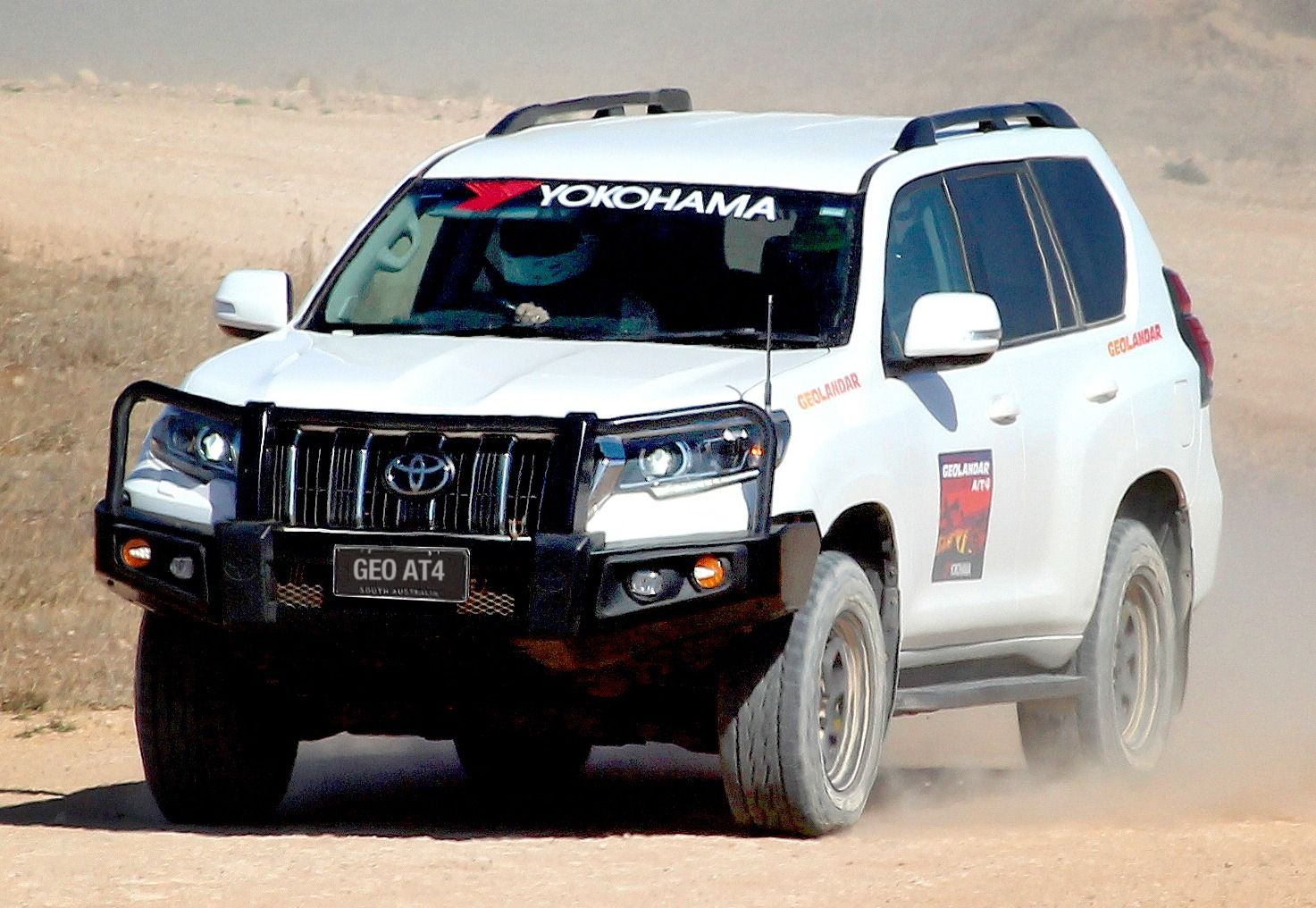
Highway terrain (HT) and eco-focused tyres are
designed to reduce rolling resistance, while aggressive all-terrain (AT) and
mud-terrain (MT) tyres increase it.
What to look for:
- Fuel-efficient
or eco-labelled tyres
- Less
aggressive tread patterns
- Lighter
tyre construction
Trade-off:
More aggressive tyres offer better off-road grip but will increase fuel
consumption.
3. Maintain Wheel Alignment and Tyre Rotation
If your wheels are misaligned or your tyres
are wearing unevenly, your vehicle creates unnecessary drag.
That means more resistance — and more fuel
used.
Signs to watch for:
- Vehicle
pulling to one side
- Uneven
tyre wear
- Off-centre
steering wheel
What to do:
- Get a
wheel alignment every 10,000–15,000 km
- Rotate
tyres regularly
- Keep
suspension components in check
How Much Fuel Can You Actually Save?
By combining proper tyre pressure, efficient
tyre choice, and correct alignment, most drivers can reduce fuel consumption by
5–10%.
Over time, that adds up to significant savings
— especially during periods of high fuel prices.
Final Thoughts: Small Changes, Real Savings
Saving fuel doesn’t always require major
changes. Often, it comes down to getting the basics right.
With the right tyre setup and maintenance,
you’ll not only save money at the pump but also improve safety and extend tyre
life.
At TyreReview, it’s all about real-world
results — and tyres play a bigger role than most drivers realise.
You might also like