
Chinese EVs Are Changing Australia’s Tyre Market
Chinese EVs are growing fast in Australia — but the tyres fitted to them can make a big difference to range, comfort, wet grip and wear. Here’s what buyers should check before making the switch.
20 May 2026
Chinese EVs Are Changing Australia’s Tyre Market
Chinese electric vehicles are quickly becoming a familiar sight on Australian roads. Brands such as BYD, MG, GWM, Chery and others are giving buyers more affordable EV options, but they are also changing the way drivers and tyre retailers need to think about tyres.
EVs place different demands on tyres compared with petrol vehicles. They are generally heavier because of their battery packs, deliver instant torque, and operate with very little engine noise. That means tyre performance has a bigger impact on ride comfort, road noise, wet grip, efficiency and wear.
Why tyres matter more on EVs
For consumers, the tyres fitted to an EV are not just a replacement cost. They directly affect how the vehicle feels and performs.
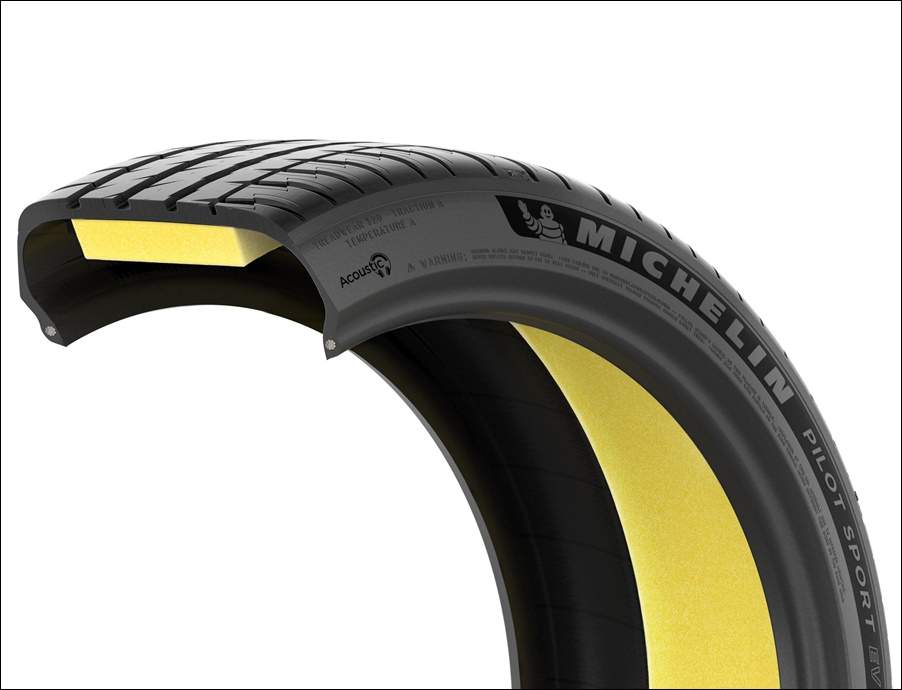
A tyre with low rolling resistance can help preserve driving range. A tyre with strong wet grip is important because EVs deliver power immediately. A quieter tyre also makes a noticeable difference, because there is no engine noise to mask road roar.
Wear is another important factor. The extra weight and torque of an EV can increase tyre wear if the tyre is not well suited to the vehicle or if the driver regularly uses the car’s performance.
What tyres are Chinese EVs using?
Tyre fitment varies by model, grade and production date, so buyers should always check the exact tyres on the vehicle they are inspecting. However, Chinese EVs sold in Australia have already shown a mix of budget, mid-range and premium tyre brands.
The BYD Atto 3 has been widely associated with Atlas Batman A51 tyres in early Australian deliveries, attracting attention from some owners and reviewers who questioned wet-weather performance.
The BYD Seal has been fitted in some markets with Continental EcoContact 6 Q tyres, a premium tyre designed to support low rolling resistance and reduced noise.
The MG4 has been linked with Bridgestone Turanza T005 EV tyres, an EV-focused touring tyre designed to balance comfort, wet performance and efficiency.
The MG ZS EV has also been reviewed locally with Michelin Primacy tyres, a well-known touring tyre range focused on comfort and everyday road use.
This variety shows that not all Chinese EVs arrive on the same quality of tyre. Some are fitted with premium original equipment tyres, while others may use more cost-conscious options to help keep vehicle prices competitive.
What consumers should check before buying
Before buying a Chinese EV, consumers should look closely at the tyres, not just the badge, battery range or screen size.
Check the tyre brand and model printed on the sidewall. Confirm the tyre size and load rating. Ask whether replacement tyres are easy to source in Australia. Most importantly, make sure the tyre is suitable for EV use, especially if the vehicle is heavy or high-powered.
A cheaper tyre may reduce the purchase appeal of an otherwise strong EV package. Poor tyre choice can increase noise, reduce efficiency, compromise wet grip or wear faster than expected.
The bigger market impact
As more Chinese EVs arrive in Australia, demand for EV-suitable replacement tyres will grow. Tyre retailers will need to stock more EV-ready options across a wider range of sizes, including tyres that balance durability, low rolling resistance, quietness and wet-weather performance.
For consumers, the key message is simple: Chinese EVs are making electric motoring more affordable, but the tyres still deserve close attention. The right tyre can help an EV feel quieter, safer and more efficient, while the wrong tyre can undermine the entire driving experience.
You might also like
Tyre Brands mentioned:
 View Hankook Reviews
 View Kumho Tyres Reviews
 View Michelin Reviews
 View Pirelli Reviews